
Teacher Champion - Sharon Thandi
In this issue of our BCAITC Teacher Champion series, we profile BC teacher Sharon Thandi. Discover her passion for educating students about BC agriculture, food, and the environment.
Q: What school do you teach? A: I teach at Maywood Community School in Burnaby.
Q: What grade(s) do you teach? A: I teach Grade 1.
Q: How and when did you first learn about BCAITC? A: I first learned about BCAITC through the Canadian Teacher Magazine, which I came across in our school staffroom. While browsing, I noticed information about the Spuds in Tubs program, which immediately caught my interest. I later attended an in-person training session, where we learned how to implement the program in the classroom — I still remember they even served a creative “potato sundae.” Although I do not recall the exact year, this experience took place many years ago and marked the beginning of my involvement with BCAITC programs.
Q: How long have you been teaching students about BC agriculture and food? A: I have been teaching students about BC agriculture and food for approximately ten years. While I do not recall the exact start date, integrating agriculture and food education into my classroom has been an important and meaningful part of my teaching practice for many years.
Q: What are the most important things that you want your students to learn about BC agriculture and food? A: The most important thing I want my students to learn is where their food comes from and the importance of agriculture in their daily lives. Many of my students live in apartments and may not have access to gardens, so these experiences help them understand that food can be grown even in small spaces. I also want them to develop an appreciation for the work of farmers in British Columbia and across Canada, as well as an understanding of how local food systems support our communities.
Q: BCAITC has over 500 free downloadable resources including lesson plans, activities, videos, recipes, and more! What is your favourite BCAITC resource and why? A: My favourite BCAITC resources are the teacher guides that accompany the programs. They are exceptionally well organized, easy to follow, and thoughtfully designed, which makes implementing the programs both manageable and enjoyable. I especially appreciate that the guides include ready-to-use lesson plans and meaningful activities, such as those found in the Planting a Promise teacher guide, which can be easily adapted for classroom use. The recommended read-aloud books have also been a highlight for my students, particularly Alex's First Seed, which supports student engagement and understanding in an age-appropriate way.
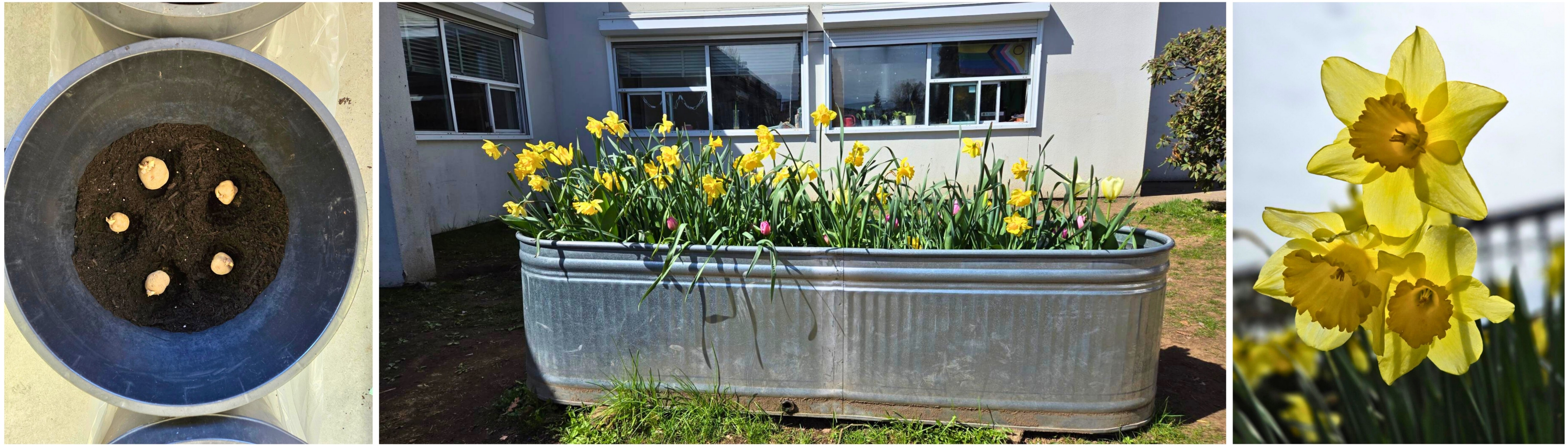
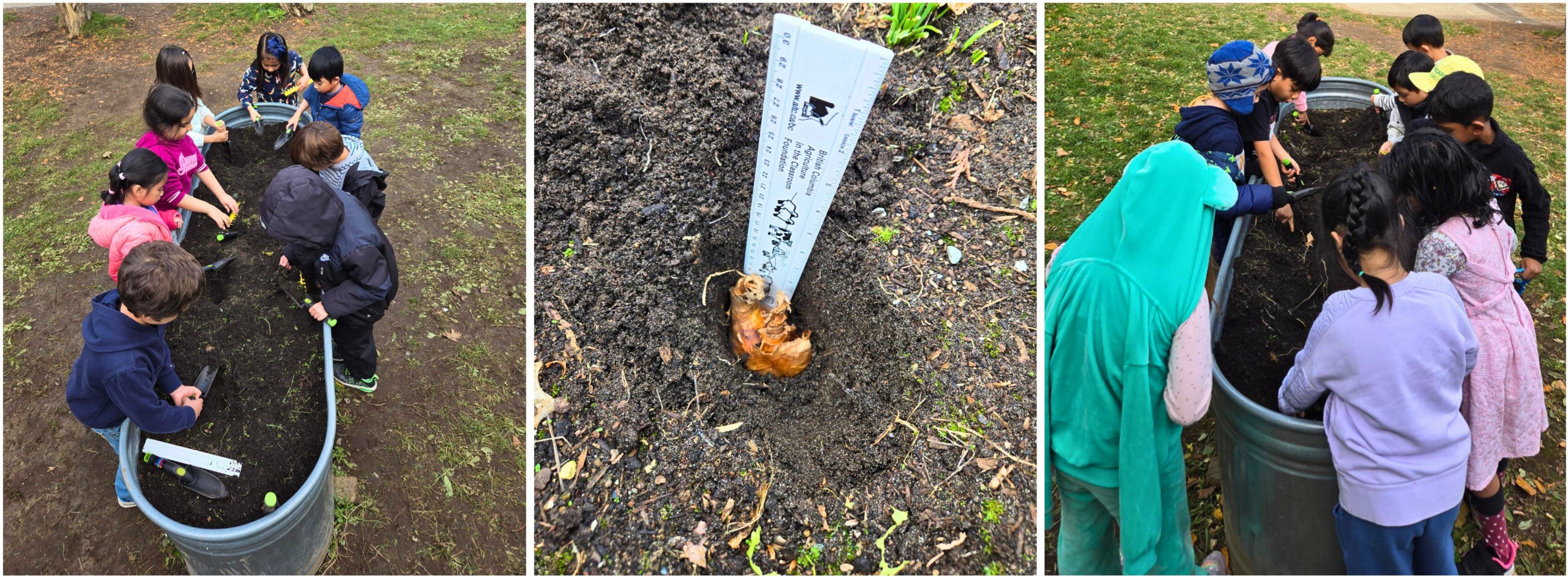
Q: What is your favourite BCAITC program and why? A: It is difficult to choose a single favourite program, as I have greatly enjoyed both Spuds in Tubs and Planting a Promise. The Planting a Promise program is especially meaningful because it transforms the school grounds and creates a lasting impact on the community. Students experience a sense of anticipation and pride as they wait from fall to spring to see the flowers bloom, reinforcing the idea of stewardship and care for the environment. It truly becomes a promise that is kept, bringing joy to students and staff alike.
Q: Describe an agriculture or food-based project/program you have implemented in your classroom/school recently. A: Recently, we explored agriculture and food through activities such as tasting a variety of fruits and vegetables, discussing where they come from, and learning why they are important for our health. Programs such as Spuds in Tubs have provided rich hands-on learning experiences, as students observe the growth of plants over time. Students especially enjoy taking the tubs outdoors, where they can closely observe insects and bugs that gather around the plants, fostering curiosity about ecosystems and the natural world. At the end of the growing cycle, we harvest the potatoes and cook them together, allowing students to enjoy the fruit of their labour. We have prepared simple dishes such as potato salad and healthy baked fries, which makes the learning experience meaningful, memorable, and delicious.
Q: Do you have any advice for other educators on how to integrate agriculture and food education into their curriculum? A: My advice to other educators is not to worry about having prior gardening experience. When I first began, I was concerned because I did not consider myself to have a “green thumb,” yet I was excited to provide meaningful hands-on learning opportunities for my students. Many plants, such as potatoes and daffodils, are very resilient, making them ideal for classroom projects. BCAITCstaff provide excellent support, clear communication, and helpful reminders throughout the process, which makes implementation manageable and rewarding.
It is also important for students to understand where their food comes from, particularly as many of my students live in apartments and may not have access to gardens at home. These programs show them that food can be grown successfully in small spaces and inspire them to try growing plants themselves. Learning about agriculture in British Columbia and across Canada helps students develop an appreciation for local food systems and the people who produce our food. I often use the posters provided by BCAITC to highlight where food is grown in Canada, which supports students in making real-world connections. Even when challenges arise, the experience itself becomes a valuable learning opportunity for both students and educators.
About the Teacher Champion Series: This monthly BCAITC series features BC teachers and school staff who are passionate about providing agriculture and food education to K-12 students. For more information, contact BCAITC Communications Coordinator, communications@aitc.ca.