
Teacher Champion - Teresa G. Taylor
In this issue of our BCAITC Teacher Champion series, we profile BC teacher Teresa G. Taylor. Discover her passion for educating students about BC agriculture, food, and the environment.
Q: What school do you teach? A: I teach at Bayview Elementary School in Vancouver, BC.
Q: What grade(s) do you teach? A: I teach a Grade 1/2 split class.
Q: How and when did you first learn about BCAITC? A: I don’t even remember exactly when I first learned about BCAITC, I’ve been teaching for so long! It may have been over 20 years ago, and the resources and programs have been part of my teaching journey ever since.
Q: How long have you been teaching students about BC agriculture and food? A: I have been teaching for about 35 years, and throughout that time I’ve loved finding ways to bring agriculture, food, gardening, and hands-on learning into my classroom.
Q: What are the most important things that you want your students to learn about BC agriculture and food? A: I want my students to LOVE touching the soil, looking at seeds, and being so excited to learn that a big plant starts as a little seed. There is something so exciting about showing children that a huge plant can begin as one tiny seed and that the entire plant is there, waiting to grow! We can take that little seed, watch it begin growing in a plastic water-cycle bag in our classroom window, transplant it, put it into the garden, and then watch it grow. The children get to experience the entire lifecycle right before their eyes.
I also want them to understand that this knowledge goes back many generations. We talk about how First Nations peoples collected and replanted seeds year after year, developing and caring for their gardens. Most importantly, I want children to be excited about healthy food that comes directly from the land and to understand that they can have a role in growing their own food.
Q: BCAITC has over 500 free downloadable resources including lesson plans, activities, videos, recipes, and more! What is your favourite BCAITC resource and why? A: When I first started, I was always looking through the BCAITC resources for ideas, and I still use them today. I love showing my students the videos about the foods we are exploring because they help bring those foods and their stories to life.
Over the years, we’ve enjoyed so many of the stories and games, including the Blueberry Fresh Story and Garlic Life Cycle. The resources give us wonderful opportunities to explore where our food comes from while keeping young students engaged, curious, and excited to learn.
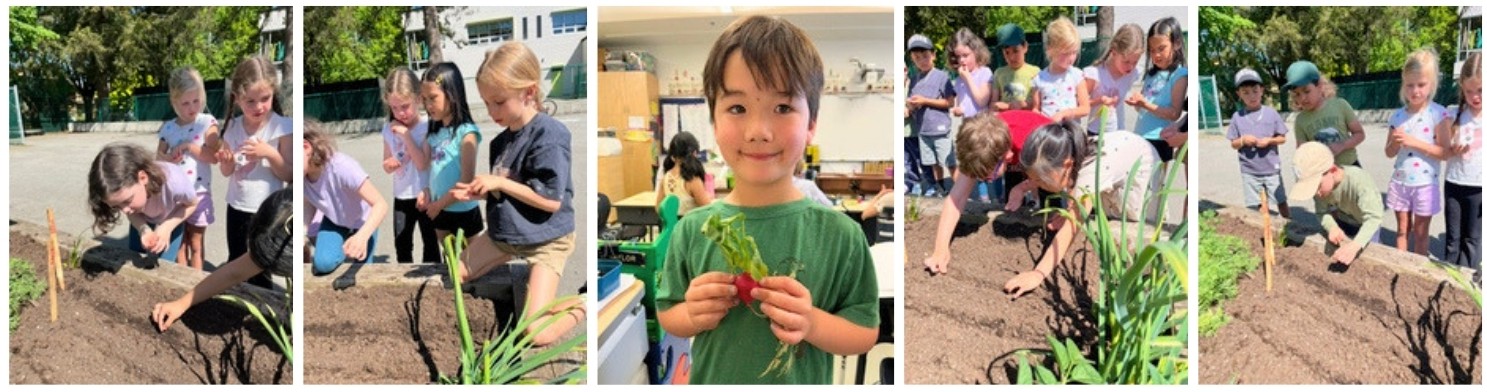
Q: What is your favourite BCAITC program and why? A: Like many past Teacher Champions, one of my absolute favourites is Spuds in Tubs! I get so excited about it that I usually start a little early. We do a big exploration of the potato, where it originated and all the wonderful things we can do with a spud. I love getting parents involved with planting, and then taking the class outside to marvel at how many potatoes we can grow from just about ten seed potatoes. The excitement on the children's faces is priceless!
Another favourite is Planting a Promise. Every spring, we explore bulbs, and all around our school we have tubs filled with daffodils and tulips. We continue that exploration by planting garlic, which we harvest in the fall. We really do plant all year long, indoors and outdoors!
Q: Describe an agriculture or food-based project/program you have implemented in your classroom/school recently. A: Many years ago, I worked to make sure that garden boxes were included when our new school was built. My class is the main class that uses them, but I encourage students and teachers from all grades to go out and explore them. We enjoy the herbs growing there each year, including chives and rhubarb, and we’ve worked with programs such as Wild Spaces to add perennials to our garden. We also have a mason bee house, and we’re currently working on building an insect habitat to place near the garden.
Our goal is to keep expanding these spaces so that children from Kindergarten through Grade 7 can experience the excitement of watching plants grow. In our classroom, we currently have beans growing, and we’ve been keeping a food journal to explore different foods we can grow and what they are good for. So far, we’ve explored kale, beans, radishes, peas, carrots, and, of course, potatoes. We’re also planning to grow different types of lettuce indoors. Outside, we’ve planted strawberries and get to eat them as soon as they turn red!
We also have a weekly cooking program with parent volunteers connected to the foods we explore. One of our favourite activities is harvesting the rhubarb in fall season and then turning it into something delicious together.
Q: Do you have any advice for other educators on how to integrate agriculture and food education into their curriculum? A: My advice is simple: have fun with the wonder that children naturally have! I always tell the other staff that the kids will lead the way. Use the resources that the BCAITC offers, that’s how I started! And then the fun just exploded.
You do NOT have to have a green thumb, just the passion. Follow the children's curiosity and let them discover where their food comes from. One year for Father's Day, I made a paper-mâché potato with my students and we wrote a poem called “SPUD” an acrostic for their dads. The children wrote about why their dads were like a spud, and the poems they came up with were absolutely hilarious! That’s what agriculture and food education can be: hands-on, meaningful, messy, creative, and a whole lot of fun.
About the Teacher Champion Series: This monthly BCAITC series features BC teachers and school staff who are passionate about providing agriculture and food education to K-12 students. For more information, contact BCAITC Communications Coordinator, communications@aitc.ca.