
Teacher Champion - Frank Abbinante
In this issue of our BCAITC Teacher Champion series, we profile BC teacher Frank Abbinante. Discover his passion for educating students about BC agriculture, food, and the environment.
Q: What school do you teach? A: I teach at Gleneagle Secondary School in Coquitlam.
Q: What grade(s) do you teach? A: I teach Grades 10–12 Culinary Arts Program and Train in Trades: Culinary Arts Professional Cook 1 Program.
Q: How and when did you first learn about BCAITC? A: I first discovered BCAITC through the UBC EDCP 329 – Agriculture in the Curriculum course, also known as the Summer Institute. It was there that I was introduced to Take A Bite of BC, and I was immediately struck by how engaging and hands-on the program is. Seeing the connection, it fosters between students and local BC products, I knew I had to bring it into my classroom. Since then, it’s been exciting to watch my students explore, taste, and learn about the rich agricultural heritage of our province firsthand.
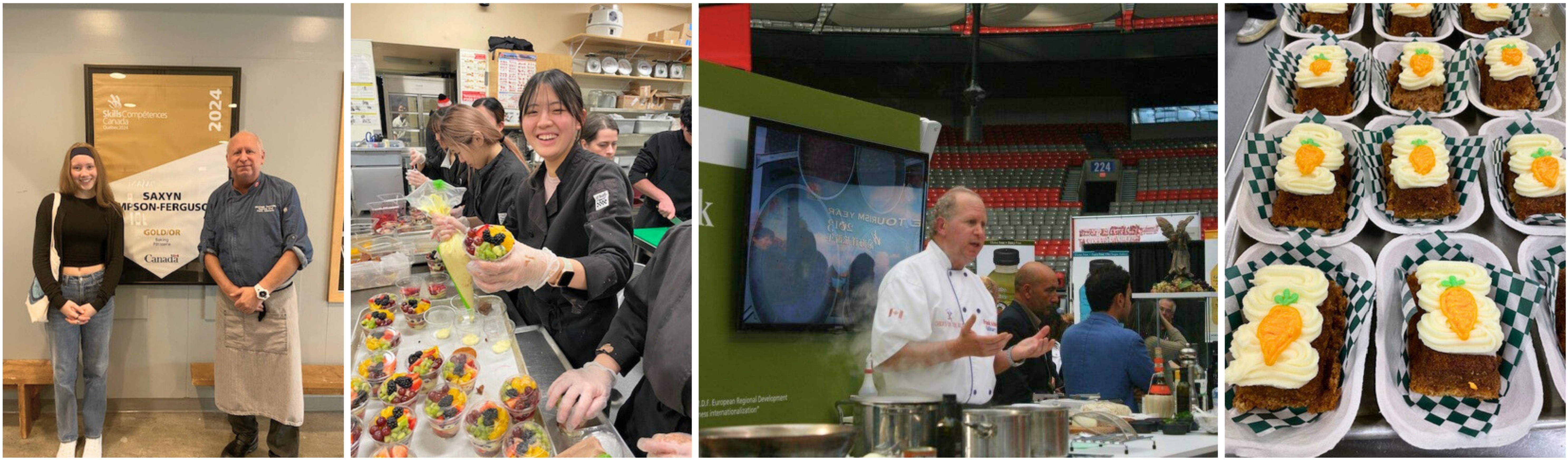
Q: How long have you been teaching students about BC agriculture and food? A: I have been teaching students about BC agriculture and food for approximately twenty years.
Q: What are the most important things that you want your students to learn about BC agriculture and food? A: The most important thing I want my students to learn is about the food that is grown and produced right here in BC. I want them to understand the reality of local farming, what happens behind the scenes on a farm and the hard work and dedication it takes for farmers to grow the food we eat. It’s also important for them to recognize which foods are Indigenous to the region and how agriculture is connected to the land and local communities.
I also teach students about the Farm-to-Table journey, helping them understand how food moves from the farm all the way to the kitchen. By exploring the entire food chain, they begin to see the many people, processes, and decisions involved in bringing food to our tables. Another key lesson is understanding how the provincial economic environment impacts farming, from production costs to supply and demand, and how these factors can influence the prices we see at the grocery store. Through these discussions, students gain a deeper appreciation for BC agriculture and the people who work hard to sustain it.
Q: BCAITC has over 500 free downloadable resources including lesson plans, activities, videos, recipes, and more! What is your favourite BCAITC resource and why? A: One of my favourite BCAITC resources is the information sheets that accompany the FRESH for KIDS products. Our school administrator prints them out for us, and they are incredibly helpful for introducing students to the BC-grown foods we receive. They provide interesting facts and background information that help students understand where the food comes from and why local agriculture matters.
Another resource I really enjoy using is the lesson plan and video on how to debone and cut a whole chicken. It provides a clear, step-by-step explanation that helps students learn proper techniques while also building their confidence in the kitchen. Resources like these make learning very hands-on and help students connect practical cooking skills with a deeper understanding of food and agriculture.
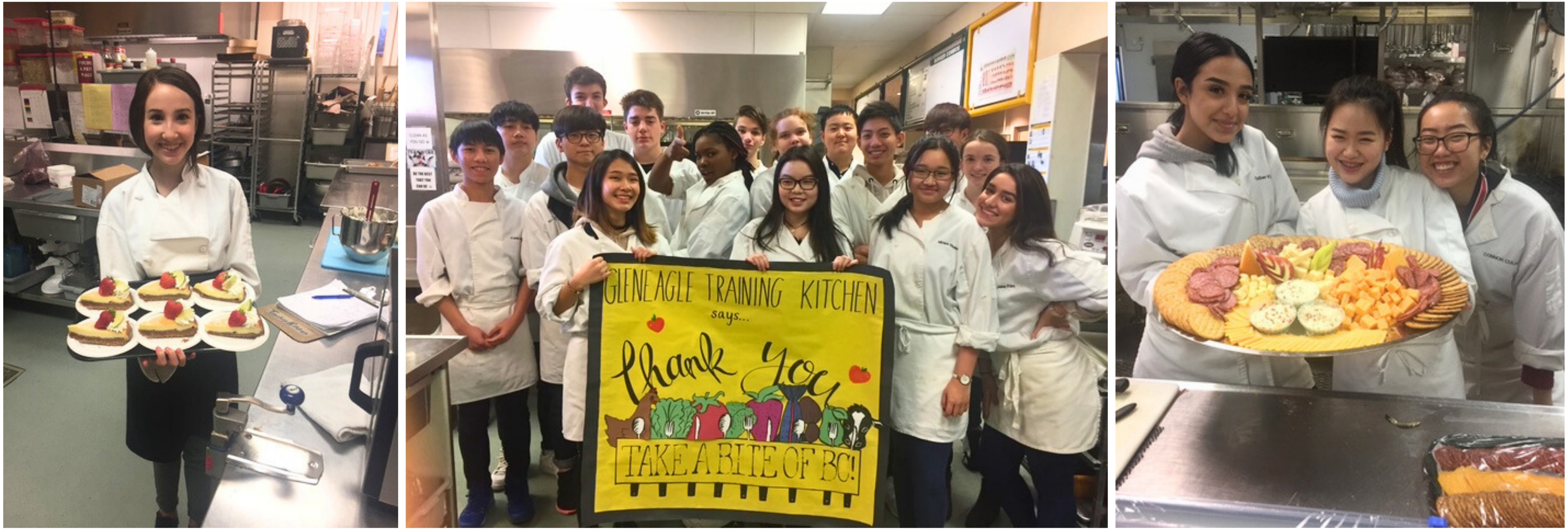
Q: What is your favourite BCAITC program and why? A: My favourite program is Take a Bite of BC because it brings local agriculture directly into the classroom in a way students can see, taste, and experience. One of the most memorable moments is watching students try BC-grown products during taste test, their curiosity and excitement are wonderful to see. The program also allows them to build real kitchen skills, whether it’s learning how to cut meat or debone a chicken. Seeing students gain confidence as they learn by doing, while also understanding where their food comes from, makes the experience incredibly meaningful for both them and me as an educator.
Q: Describe an agriculture or food-based project/program you have implemented in your classroom/school recently. A: In the past, my students and I worked on a small school garden project where we grew herbs and hardy vegetables such as radishes and carrots in our garden beds. Other classrooms in the school helped maintain the beds as well, which made it a wonderful collaborative school effort. Through this project, students learned how to plant, nurture, and harvest food while also discovering different ways to use what they had grown. Beyond gardening skills, it also helped build teamwork, friendships, and a sense of pride as students watched their hard work grow into something meaningful. Unfortunately, due to space constraints in my classroom, we had to move away from maintaining the garden.
Currently, we run a different hands-on project in the classroom where one student is appointed as the “chef” for a 70-minute class. In this role, the student is responsible for planning a meal for our teaching kitchen, which often serves more than 500 portions. They learn how to plan according to available resources, create an action plan, and assign responsibilities to their classmates. This activity helps students build leadership, organization, and teamwork skills while gaining a deeper understanding of how a busy kitchen operates.
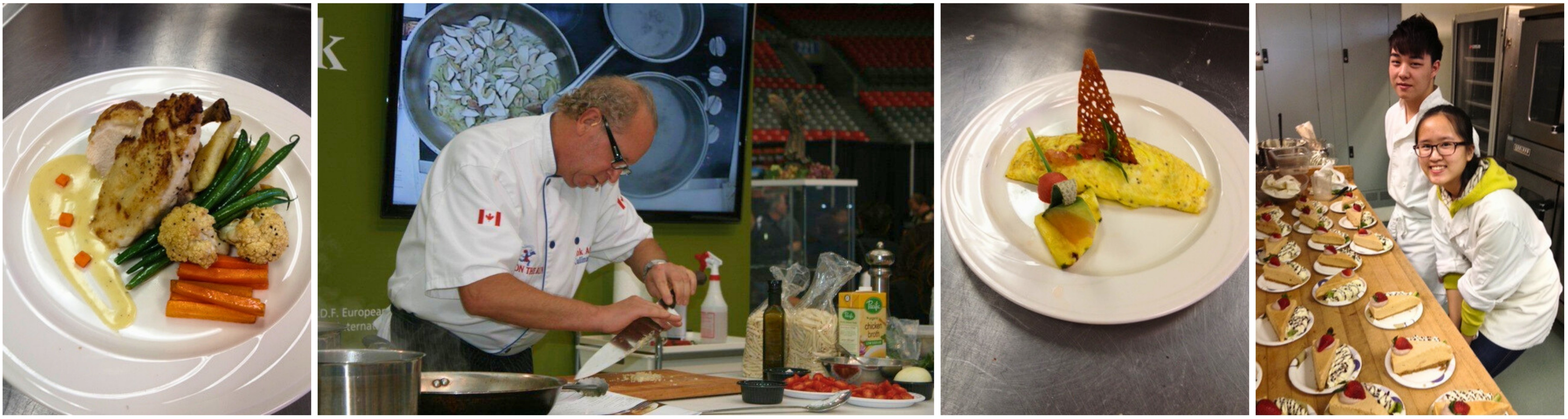
Q: Do you have any advice for other educators on how to integrate agriculture and food education into their curriculum? A: My advice to other educators is to lead with your passion. When students see your genuine interest in agriculture and food, it naturally inspires them to become curious and engaged as well. Even small efforts can go a long way, so keep going even when things feel challenging. Sharing your own experiences and stories can help students connect more deeply with the topic.
It’s also important to stay resourceful and continue learning about what is local, seasonal, and sustainable in your community. By keeping yourself informed and bringing that knowledge into the classroom, you can create fun, meaningful learning experiences for students. Most importantly, keep evolving and let your dedication and enthusiasm for food and agriculture shine through that passion is often what students remember the most.
About the Teacher Champion Series: This monthly BCAITC series features BC teachers and school staff who are passionate about providing agriculture and food education to K-12 students. For more information, contact BCAITC Communications Coordinator, communications@aitc.ca.